
About 1 in 6 American adults say they regularly binge drink, sometimes several times a month. BAC is largely determined by how much and how quickly binge drinking a person drinks alcohol as well as by the body’s rates of alcohol absorption, distribution, and metabolism. Binge drinking is defined as reaching a BAC of 0.08% (0.08 grams of alcohol per deciliter of blood) or higher. A typical adult reaches this BAC after consuming 4 or more drinks (women) or 5 or more drinks (men), in about 2 hours.
What is alcohol use disorder?
- If someone needs more help, the NIAAA Alcohol Treatment Navigator can help.
- And while that’s true, it’s also true that the opposite — abstaining from alcohol entirely — is becoming more popular.
- This kind of extreme binge drinking — usually called high-intensity drinking — involves drinking two or three times as much as standard binge drinking.
Binge drinking – having a lot of alcohol in a short space of time – can be extremely dangerous.1 Our bodies can only process roughly one unit of alcohol an hour – and less for some people. It’s also linked with heavy drinking overall and can potentially lead to someone becoming dependent on alcohol, says Lee. If your alcohol use is causing trouble for you at work, at home, in social situations, or at school, it’s a problem. While drinking alcohol is normalized socially and is legal above the age of 21 in the United States, it can still have harmful impacts on the body.
- We strive to create content that is clear, concise, and easy to understand.
- “People who binge drink are more likely to develop alcohol use disorder, particularly if they continue to binge drink even if it causes them problems,” Dr. Koob says.
- But each large glass of wine contains three units of alcohol and drinking six units of alcohol in a short space of time – an hour, say – will raise your blood alcohol concentration (BAC) and can make you drunk very quickly.
How many drinks a week is considered alcohol misuse?
Binge drinking is when a person consumes enough alcoholic beverages during a 2-hour period to bring their blood alcohol concentration (BAC) to 0.08% or higher. Most people who binge drink are not addicted to or dependent on alcohol. However, binge drinking can increase your risk of developing alcohol use disorder. The definition of binge drinking, according to the National Institute on Alcohol and Alcoholism (NIAA), is “alcohol consumption that brings the BAC to 0.08 g/dL.” The CDC defines a binge-drinking episode as at least four drinks for women or five drinks for men within a two-hour period.
- In either case, however, alcohol is still absorbed into the bloodstream at a much faster rate than it is metabolized.
- When it comes to the amount of drinking, there are patterns of alcohol consumption—such as binge drinking—that can greatly increase several types of health risks.
- People who are homozygous for the ALDH2 gene are less likely to binge-drink due to severe adverse effects that occur even with moderate amounts of alcohol consumption.
- The body begins to metabolize alcohol within seconds after ingestion and proceeds at a steady rate, regardless of how much alcohol a person drinks or of attempts to sober up with caffeine or by other means.
- The Centers for Disease Control and Prevention estimates that more than half of all deaths involving alcohol each year are caused by binge drinking.
- These levels include moderate drinking, binge drinking, and heavy drinking.
- This may include inpatient rehab, CBT, other forms of talk therapy, mutual aid groups, and medication to handle cravings.
Long-term Risks of Binge Drinking

“Because alcohol use and especially binge drinking can result in a range of both short-term and long-term consequences, moderation is something anyone who drinks should aim for,” Dr. Koob says. While many people binge drink on occasion, adults with mild-to-severe alcohol use disorder are unable to limit their intake. They often drink to avoid the negative emotional effects of not drinking and may obsess over when they can drink next.
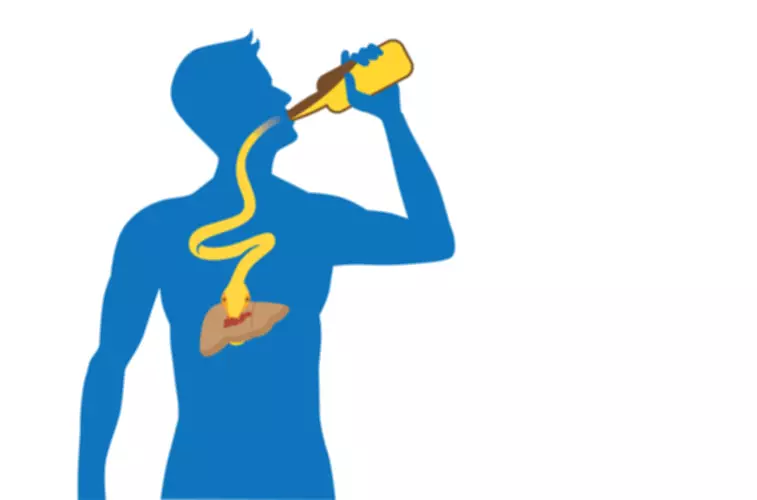
It may seem like there’s never-ending pressure to drink, especially in social situations. And while that’s true, it’s also true that the opposite — abstaining from alcohol entirely — is becoming more popular. So when you consider that you should only be having one drink a day (for women) or two drinks a day (for men), max, these are the numbers to keep in mind when you pour.
Chronic Conditions Related to Alcohol Misuse and Binge Drinking
- Our bodies can only process one standard drink, or around one shot, per hour.
- Additionally, anyone who feels they are not able to gain control of their drinking might consider the Substance Abuse and Mental Health Services Administration National Helpline.
- Patterns of heavy drinking can put a person at a higher risk of developing alcohol use disorder (AUD) or experiencing other harms that have an association with drinking excess amounts of alcohol.
- As there are many different kinds of malts, liquors and wines, it’s important to pay attention to the labels and serving sizes.
According to 2021 data from the National Institute on Alcohol Abuse and Alcoholism, 21.5 percent of people in the U.S. ages 12 and older reported binge drinking during the past month. While not formally recommended, an occasional margarita, craft beer or glass of wine isn’t inherently considered problematic. Binge drinking, on the other hand, poses a number of risks to our health, both short- and long-term. “The liver does have a wonderful ability to recover, so if someone went out and had a binge drinking episode and that was it, 6 months later their liver should be back to normal function,” says Landis. A 2019 study found that binge drinking increased by more than 20% among women in their thirties and early forties between 2006 and 2018.

A person should consider his or her overall physical health, medical conditions, and the medications they are taking before deciding how much alcohol is safe for them to drink each day. Alcohol is second to only tobacco as the most widely-used substance in the United States. Binge drinking frequency decreases with age but remains common among older adults. More than 1 in 10 people aged 65 and older binge drink at least once a month.